
GEO Link Building for Small Sites: Mentions, Niche Presence, and Chrome Workflows
By LincSpider Team · 2026-07-19 · 11 min

Generative engine optimization (GEO) showed up fast on agency decks. Then it showed up on Reddit with pitchforks. Both reactions make sense. AI Overviews and chat answers changed how people see brands. A lot of what gets sold as "GEO retainers" is renamed SEO plus a monitoring screenshot.
We build LincSpider for people who still have to ship product on weekdays. This guide is GEO for small sites: what the phrase means, why traditional SEO is still the floor, how niche mentions and blog presence fit, and where a Chrome workflow helps without auto-spam.
Related reading: brand citations vs backlinks and our blog comment backlink guide.
What GEO means for indie and SaaS sites
In plain English, GEO is the practice of making it easier for AI systems — ChatGPT, Perplexity, Google AI Overviews, and friends — to find, understand, and name your brand when users ask category questions.
Backlinko’s GEO guide frames it as publishing where models look, earning mentions, and keeping pages technically accessible. That is not magic. It overlaps hard with good SEO.
Operator pushback is loud for a reason. ToHuman’s analysis of 446 r/SEO posts found the highest-engagement threads calling GEO/AEO buzzwords used to upsell clients. One heavily upvoted line they quote from r/SEO: agencies surfing the AI wave with a fancy label. We don't need to pretend that skepticism is wrong.
For a five-person SaaS, useful GEO looks like:
- Pages that already deserve to rank
- Clear entity naming (product + category in the same breath)
- Mentions in niche blogs, docs, and communities — not fake Reddit bot farms
- Measurement that stays humble (spot-check AI answers; don't invent a vanity "GEO score")
Traditional SEO is still the foundation
One more blunt point: generative answers often paraphrase sources that already rank. If you are invisible in classic results for "best X for Y," you are asking models to invent your importance from thin air. Sometimes a viral Reddit thread can shortcut that — we are not pretending otherwise — but for a B2B SaaS with a boring-but-real product, the reliable path is still rankable explainers plus earned mentions, not a GEO-only sprint.
Also ignore anyone selling "AI Overview rank tracking" as a replacement for Search Console. Track both. Classic clicks still pay salaries while citation dashboards mature.
If your site isn't crawlable, thin, or invisible in Google, most generative systems have less trustworthy material to retrieve. Studies keep showing that AI answers lean on pages that already perform in classic search.
On r/SEO, discussion of ChatGPT traffic still looping back to Google is a reminder: these surfaces are coupled.
CXL’s AEO/GEO reality check lands where we land: the acronyms are hype-prone, the shift toward mentions and synthesis is real, and abandoning technical SEO is how you lose both games.
Basics we would not skip for a small site:
- Indexation and clean internal links
- One strong answer page per money topic
- Proof (screenshots, numbers, author experience)
- A few earned links from real sites — guest posts, partners, directories — when you can
Hacker News still sounds right: good content first. GEO does not repeal that.
Mentions, niche presence, and AI answers
Affinco’s 2026 stats popularized the 0.664 vs 0.218 correlation story: branded mentions track AI Overview visibility better than backlink counts in that large-brand dataset. Useful as a prioritization hint. Dangerous as a promise for a brand-new domain.
What small sites can control:
- Owned content that states facts cleanly enough to be quoted
- Niche presence — being named on blogs and forums your buyers already trust
- Consistency — same product name, same category phrasing
What they usually cannot control on day one:
- Wikipedia-scale entity graphs
- Tier-1 press roundups
- Reddit consensus built overnight
On r/SEO:
Avoid buying links or spammy tactics… create, share, build relationships. Slow but solid.
That advice ages better than any "10 GEO hacks" listicle. Mentions that stick come from relationships and useful work.
Accuracy of AI Overviews is its own debate — see r/SEO on the NYT coverage. Don't optimize for a hallucination. Optimize for being a clear, citable source when the system gets it right.
Blog comments as one presence layer
Comments will not carry your GEO program. They can be one layer of niche presence when:
- The blog is in your category
- Moderation is real
- Your comment would still help if the URL vanished
We covered the citation angle in brand citations vs backlinks. The comment craft angle lives in our how to build backlinks with blog comments guide.
On r/Blogging:
Comment backlinks are mostly nofollow these days so the direct SEO value is minimal. But I still think there's value in it — just not for the reasons most beginners expect.
For GEO, that "other reason" is simply: your name appears next to a topical discussion. Weak signal. Cheap if done sparsely and well. Toxic if automated.
r/bigseo reduces it to click-throughs. Fine. Click-throughs and name recognition are enough justification for a few hours a week.
Chrome workflows that stay human
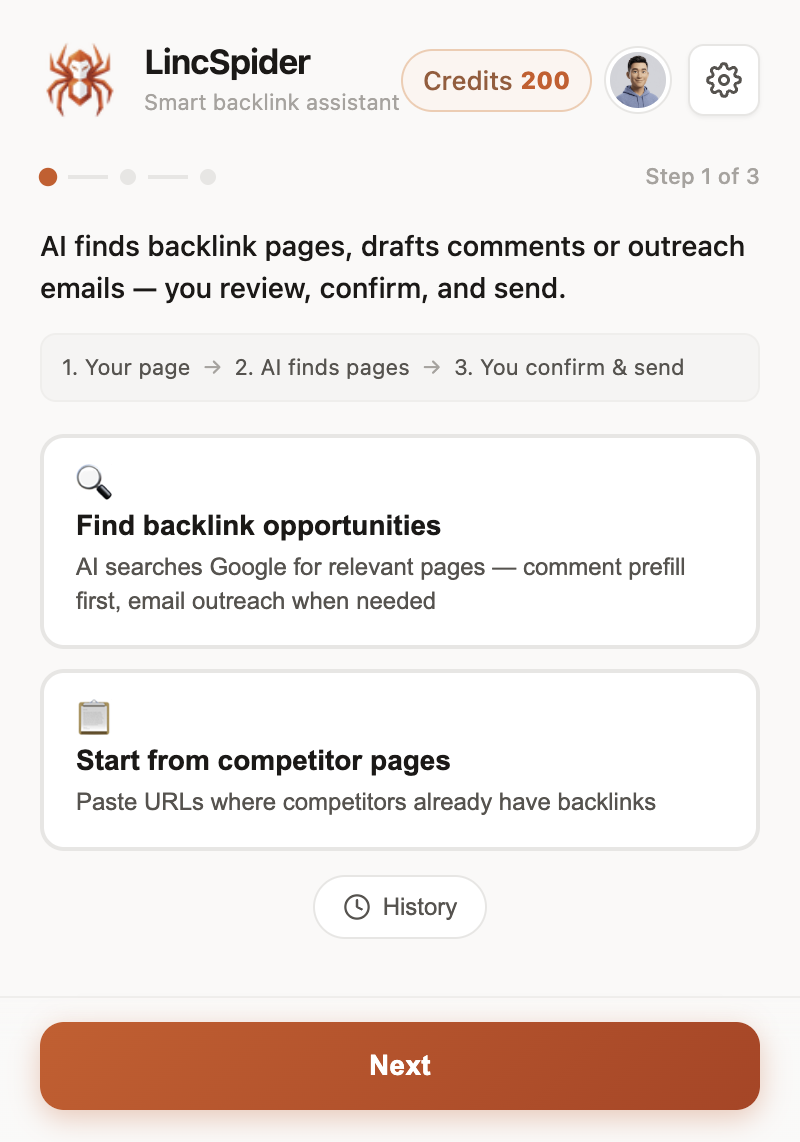
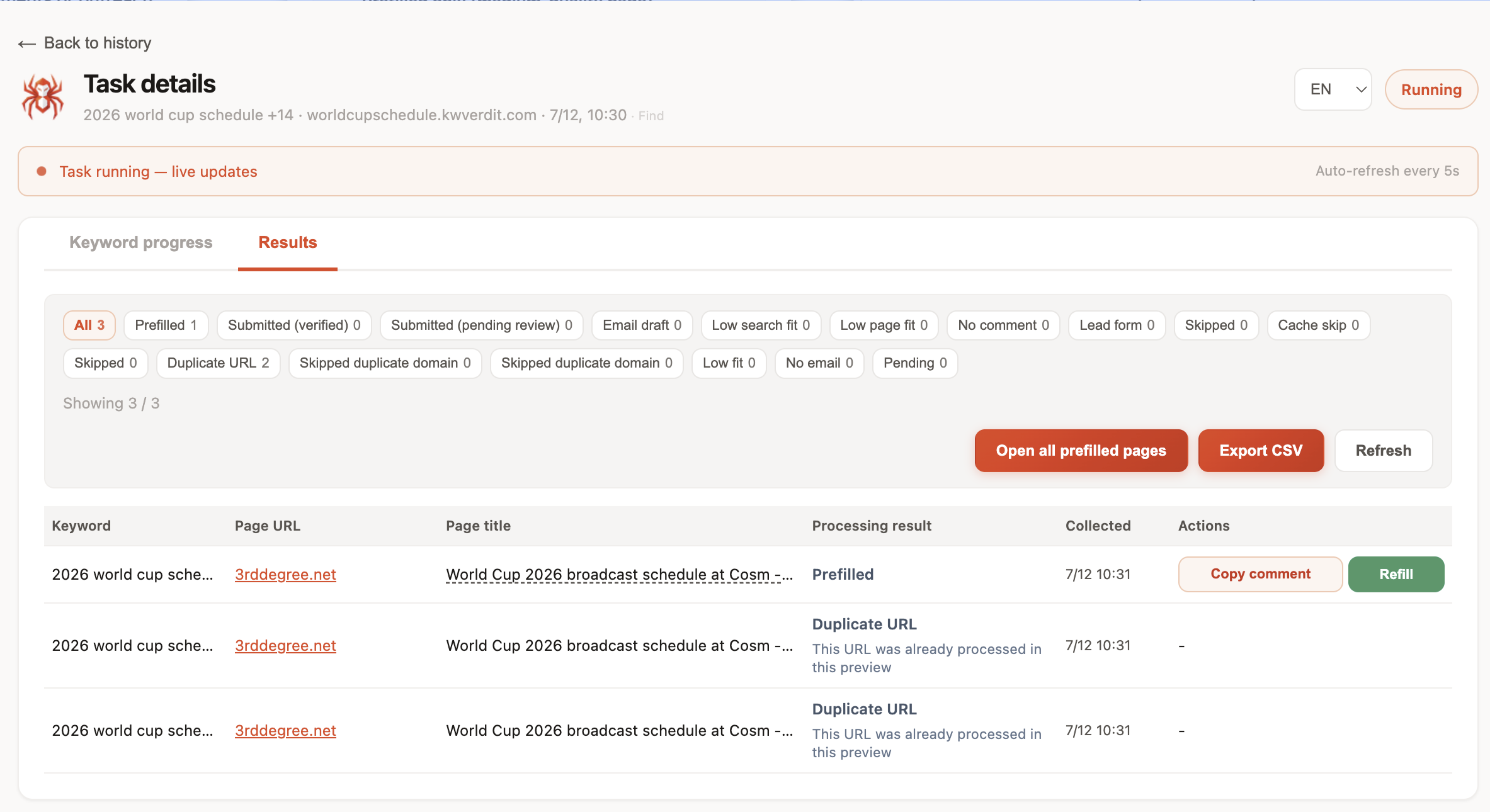
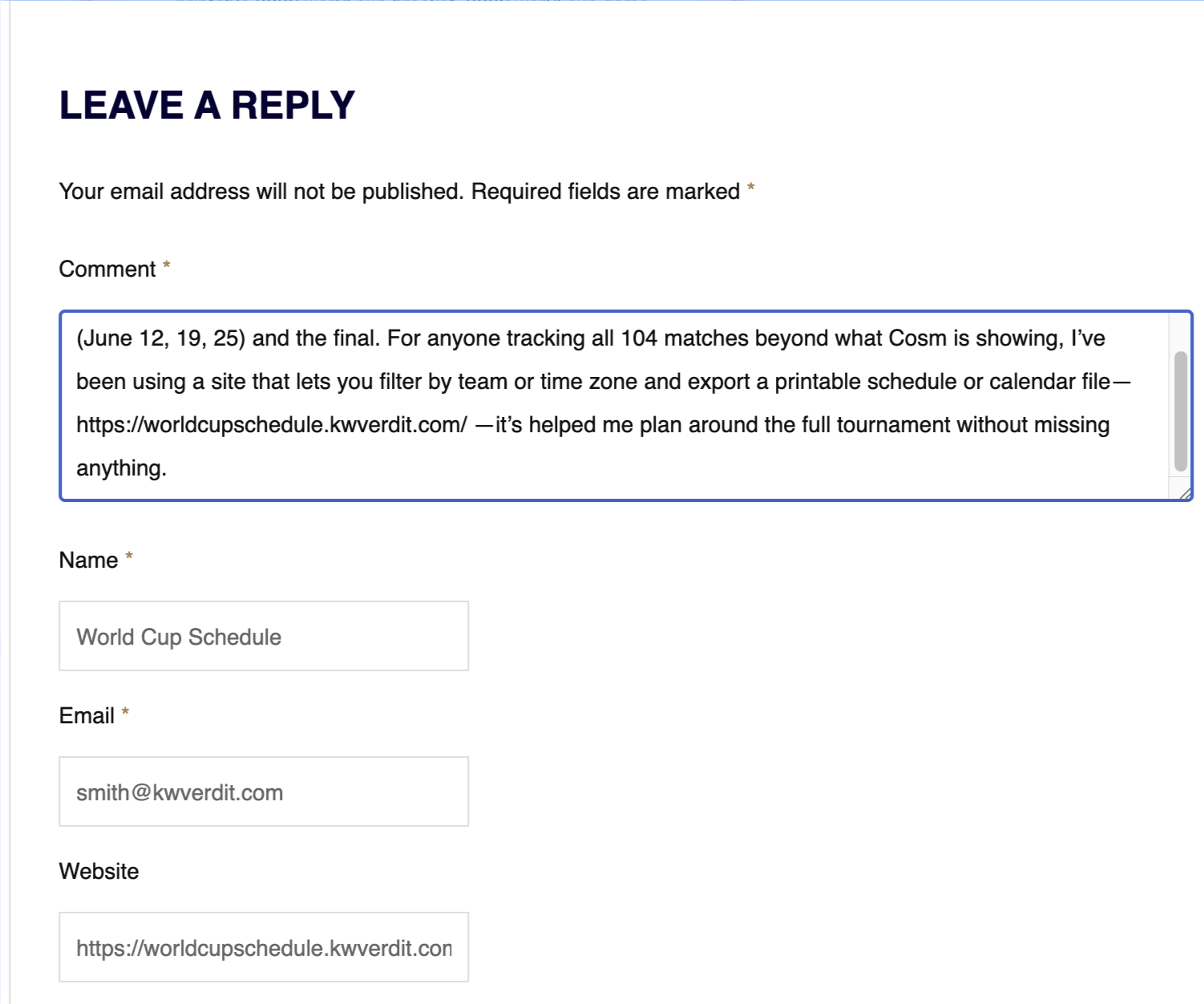
Small teams lose GEO (and SEO) hours to tab chaos: finding open comment forms, drafting, remembering who you already contacted. A Chrome workflow should attack discovery and drafting, not submission.
On r/SEO:
No tool can build link for you. Even if it does, it would be a spam with no SEO value.
LincSpider is built around that line: suggestions and prefill, human confirmation on every send. Deeper setup lives in our Chrome link building workflow. Google’s spam policies do not carve out a GEO exception for automated comment blasts.
Manual outreach still feels slow — r/SEO on process says the quiet part out loud. Tools should shrink the search, not remove judgment.
Time allocation without chasing acronyms
A week we consider sane for a solo founder with a live product:
| Bucket | Rough share | Notes |
|---|---|---|
| On-site content + fixes | 50–60% | Still the GEO prerequisite |
| Relationship / niche presence | 20–25% | Comments, useful replies, partner mentions |
| Earned links / digital PR lite | 10–15% | When you have a story |
| Measurement | 5–10% | Spot-check AI answers + Search Console |
Keep comments under ~20% of off-page time. If a vendor wants a separate "GEO budget" larger than your content budget, ask what breaks if you just ship better pages and earn three real mentions.
llms.txt and similar experiments are optional. They are not a substitute for being mentioned by humans who write in your niche.
Indie founders sometimes ask us for a GEO checklist that fits on one sticky note. Ours looks like this:
- Can Google index and rank a clear answer page for each buying intent?
- Does that page name the product and category in the first screen?
- Have three unrelated humans written your brand name next to that category this quarter?
- Can you open ChatGPT / Perplexity / AI Overviews weekly and note what changed — without gaming it?
If items 1–2 fail, skip fancy mention tooling. If 1–2 pass and 3 fails, niche comments, partner shout-outs, and small podcasts are rational. If 3 passes and AI still ignores you, look at whether the mentions live on pages models never retrieve — abandoned blogs, noindex threads, or spam networks. Presence on dead surfaces is not GEO; it's litter.
We also see teams over-invest in schema and under-invest in being quotable. FAQ schema helps machines parse structure. It does not invent expertise. A short original experiment with a named method and a limitation paragraph is more "GEO-native" than ten identical FAQ blocks copied from a competitor.
When you do leave blog comments as a presence layer, keep a simple CRM: URL, date, whether the author replied, whether you got referral clicks. That log prevents double-commenting the same post and shows which niches actually send humans. Referral data is the adult version of hoping an Overview noticed you.
FAQ
What is GEO in plain English?
Making your brand easier for AI answer engines to cite or name. Overlaps heavily with SEO, content clarity, and off-site mentions.
Does GEO replace traditional SEO for small sites?
No. Weak SEO usually means weak generative visibility. GEO is an extra lens, not a replacement.
Do brand mentions beat backlinks for AI Overviews?
In large 2026 datasets summarized by Affinco, mentions correlate more strongly with Overview visibility than backlink counts. Links still matter for classic rankings that feed retrieval. Do both at a scale you can sustain.
Can blog comments help GEO?
As sparse niche presence and relationships, sometimes. As a ranking or ChatGPT hack, no. Details in our brand citations article.
How should a solo founder allocate off-page hours?
Mostly content and a little niche presence. Comments are a thin slice. See the table above.
Is llms.txt required for GEO?
No. Optional experiment. Mentions and ranking pages matter more.
Where does a Chrome extension fit?
Finding pages, drafting, prefilling — with you confirming every submit. Start at /en/download.
What we refuse to sell as GEO
We will not sell:
- Guaranteed ChatGPT citations from comment velocity
- Autoposted Reddit or blog networks
- An llms.txt file as a silver bullet
- Dropping link building entirely because "mentions beat backlinks"
We will sell (and build tooling around) a narrower claim: small sites can earn niche presence faster when discovery and drafting take minutes instead of evenings — provided a human still owns publish. That claim survives both Reddit skepticism and Google's spam language.
If your agency deck needs a bigger story, write about your research assets and partner mentions first. Put comments and Chrome workflows in the appendix where they belong.
Competition for AI answer slots will keep tempting shortcuts. Resist the ones that look like 2012 comment blasts with a new acronym. The durable small-site move is still: ship the page, earn the mention, keep the workflow human. Chrome extensions earn their keep when they protect evenings — not when they replace judgment.
If you only remember one ratio from this guide, remember the time table: most hours on content, a slice on niche presence, a thinner slice on comments, almost none on acronym anxiety. That allocation is GEO without the brochure.
Wrapping up
GEO for small sites is not a new religion. It is SEO plus intentional niche mentions, measured without self-delusion. Blog comments can be one presence channel if they stay human. Chrome workflows should save search time, not press submit for you.
Download LincSpider if you want that discover → review → prefill loop. Then keep writing pages worth citing.
Sources: Backlinko, ToHuman, Affinco, CXL, Google Search Central, Reddit, Hacker News.