
Brand Citations vs Backlinks: Why Blog Comments Still Matter in AI Search
By LincSpider Team · 2026-07-19 · 11 min

We keep hearing the same pitch in 2026: forget backlinks, chase brand citations for AI Overviews and ChatGPT-style answers. Fair enough that the conversation shifted. What bothers us is how fast the pitch jumps from "mentions correlate with visibility" to "spam 40 blogs and you'll show up in generative answers."
This piece is our honest cut for small sites. We'll separate brand citations from backlinks, look at the Affinco / Ahrefs-style numbers without worshipping them, and explain why blog comment marketing still belongs in a low-budget mix — as presence and relationships, not as a secret PageRank or ChatGPT hack.
If you use LincSpider, you already know our bias: find pages, draft in context, prefill forms, and you hit submit. Nothing here assumes you install us.
Brand citations vs backlinks in AI search
A backlink is a crawlable link from another site to yours. SEO spent twenty years optimizing for that graph.
A brand citation (or brand mention) is your name showing up in someone else's content — with or without a URL. Roundup articles, podcast show notes, forum answers, and yes, blog comments all count as mentions in the loose sense marketers use now.
Generative engines don't "vote" the way classic PageRank did. They lean on co-occurrence, entity clarity, and which sources keep naming you next to a topic. Backlinko's GEO overview puts it plainly: earning positive brand mentions across the web matters alongside crawlable, trustworthy pages.
That does not mean every nofollow comment is an AI citation. Mentions on ignored spam blogs help almost nobody. Mentions in niche threads people actually read are a different story — for humans first, and maybe for models that scrape those surfaces later.
What the 2026 data actually says
Affinco's 2026 link building stats (summarizing the widely cited Ahrefs 75K-brand analysis) report branded web mentions correlating with AI Overview visibility at about 0.664, while backlinks sit around 0.218. Roughly a 3:1 gap in that dataset.
We treat that as a direction, not a law of physics for your SaaS landing page:
- Correlation ≠ "leave a comment, appear in Overviews."
- The study skews toward brands that already have Domain Rating and press coverage.
- Traditional rankings still feed a huge share of what AI systems retrieve; links still help you rank.
So the practical read for indie sites: stop treating unlinked mentions as worthless vanity. Also stop treating them as a substitute for content and real outreach. If budget allows one digital PR placement that names you, take it. If it doesn't, you still need cheaper ways to show up in niche conversations.
On r/SEO, people are still debating how ChatGPT traffic leaks back into Google. AI search and classic search are tangled. Mentions and links both stay in the mix.
Where blog comments fit (and don't)
We already wrote the long version of how to build backlinks with blog comments. The short version for citation-minded readers:
Comments can help with
- Referral clicks when someone actually reads the thread (r/bigseo is blunt about this)
- Warm relationships before colder outreach (Indie Hackers)
- Rare "level-up" citations when a thoughtful comment becomes a full post quoting you (Moz's case study)
Comments will not
- Replace digital PR at Forbes-tier sites
- Pass reliable link equity when marked
nofollow/ugc - Guarantee a ChatGPT or AI Overview mention
Moz's comment marketing guidance still holds: put the URL in the website field, write something useful, use a real name. The upside is visibility and trust — occasionally an editorial link later.
On r/Blogging:
Comment backlinks are mostly nofollow these days so the direct SEO value is minimal. But I still think there's value in it — just not for the reasons most beginners expect.
That line is the whole thesis.
Nofollow reality — comments are not ChatGPT citations
Think of comments as seed presence, not harvested citations. The harvest — if it ever comes — looks like an author quoting you in a later post, a newsletter naming your method, or a peer repeating your product name in a comparison thread. Those are the brand citations Affinco-style charts are actually describing when they talk about web mentions. A raw comment footer is closer to leaving a business card on a table after a useful remark.
We still run comments because small sites need cheap tables to leave cards on. Just don't confuse the card with a press clipping.
Google asks publishers to mark user-submitted links with rel="ugc". Comment sections are the textbook case. Those hints mean comment links are generally not followed like editorial links.
We will not claim that a WordPress comment becomes a generative citation. Models may train or retrieve from many surfaces; your moderated niche reply is one weak signal among millions. Selling "comment → ChatGPT" is the same hustle as selling "comment → #1 ranking," just with a newer acronym.
What we will claim: if your brand never appears in niche writing at all, you give both humans and machines less to associate with your product. Blog comments are one low-friction place to leave a fingerprint — if the fingerprint is a real contribution.
r/SEO puts the motive check cleanly:
If you comment and put a URL to get a backlink — then, no.
Write for the thread. The mention is a side effect.
A low-budget mention playbook for small sites
Here's the playbook we recommend when digital PR is out of budget:
- Publish something worth naming — a clear guide, a small dataset, a teardown. Mentions without substance go nowhere.
- Pick 10–20 niche blogs that still moderate comments and cover your topic monthly.
- Leave 3–10 comments per week, not fifty. Reference a specific point; add one concrete detail from your work.
- Use your brand or real name, not
Best AI SEO Tools 2026. - Track referrals and replies, not Domain Rating from comment URLs.
- Graduate winners — if an author engages, pitch a guest angle or send a useful follow-up email.
r/Blogging keeps repeating the quality bar:
Comments must be relevant, informative, and add value to the discussion.
Same bar Warrior Forum listed a decade ago. AI search didn't invent it.
For the broader "mentions over links" framing on AI surfaces, see our sibling piece on GEO link building for small sites.
Running mention outreach in Chrome
Finding comment-ready pages by hand eats evenings. We built LincSpider to compress discovery and drafting — not to spray the web.
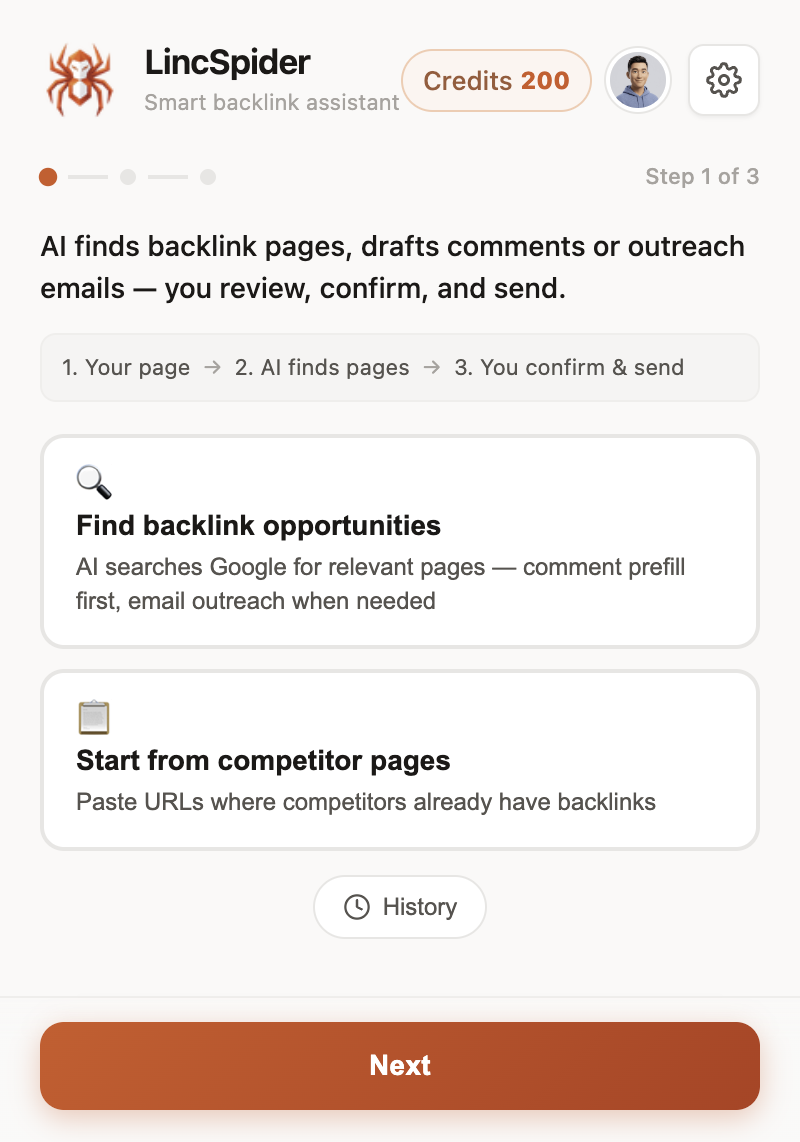
Seed from your promotion URL (or a competitor page) so suggestions stay in-niche.
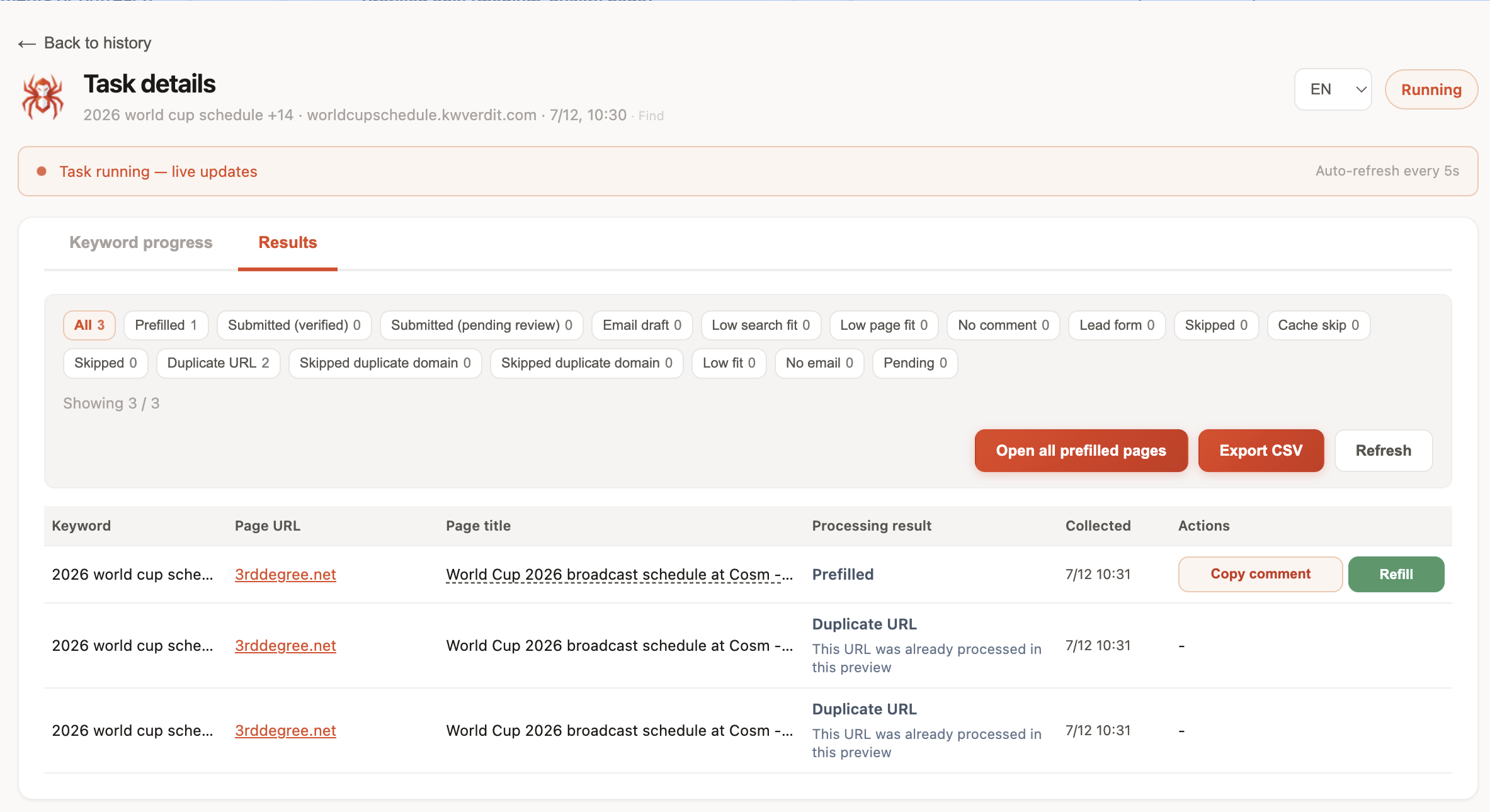
Skip closed threads and off-topic domains before you spend a draft.
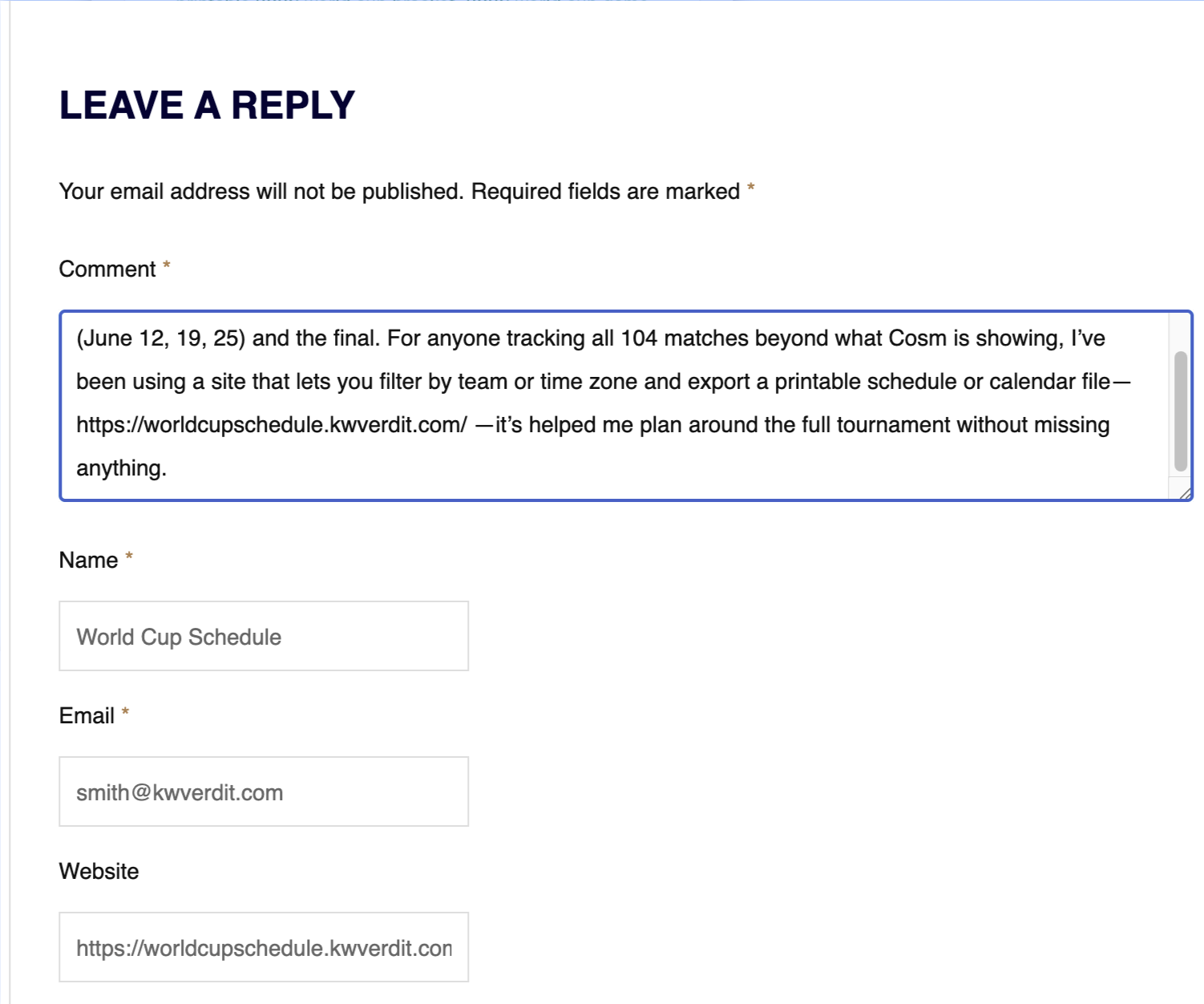
Prefill is not submit. You edit, then you click.
On r/SEO:
No tool can build link for you. Even if it does, it would be a spam with no SEO value.
We agree. Tools can find pages and propose wording. You own the reputation risk. Preview a few drafts free on the download page, or check pricing if you already know the volume you want.
For small teams, the budgeting mistake we see most often is treating mentions and links as either/or. A partner newsletter that names you with a followed link is both a citation and a backlink. A moderated blog comment that names you with a nofollow website field is mostly a citation-shaped mention. A directory submission with a followed link and zero brand context is a backlink with almost no citation value for AI systems that care about how you're described.
We'd rather you collect a messy mix of both than optimize for one metric dashboard. If you only chase DR50+ guest posts, you'll wait months between wins. If you only chase comment volume, you'll train yourself to write junk. Split the week: one serious asset or outreach thread, a handful of niche comments, and one check of whether AI answers in your category even know you exist.
When you spot-check ChatGPT, Perplexity, or AI Overviews, write down three things: whether your brand appears, which URLs get cited, and whether the description is accurate. That notebook beats a vanity "AI visibility score" for the first year. It also tells you whether your problem is "nobody mentions us" or "people mention a competitor because their docs answer the question better."
FAQ
Do brand citations matter more than backlinks for AI search?
In the Affinco / Ahrefs-style 2026 datasets, branded mentions correlate more strongly with AI Overview visibility than raw backlink counts. For Google organic rankings, links still matter a lot. Run both; don't swap your entire program for unlinked name-drops.
Are blog comment links counted as brand citations?
The visible name and any linked brand string are a form of mention. The URL is usually nofollow/ugc, so treat comments as marketing presence, not equity. See Moz on comment marketing.
Will commenting get my brand into ChatGPT or AI Overviews?
We won't promise that. Comments are a weak, indirect signal at best. Stronger paths: original content that ranks, earned media, and niche discussions people cite.
Are comment links still nofollow?
Usually yes. Google documents ugc for user-submitted links. Plan for referral traffic and relationships, not PageRank.
How many niche comments should a small site leave per week?
Forum consensus clusters around 3–10 quality comments, not daily blasts. Volume without reading is spam.
Can a Chrome extension help without auto-posting?
Yes — discovery, drafting, prefill. Auto-submit is where communities and Google's spam policies get unhappy. LincSpider requires you to confirm each submit.
How is this different from digital PR mentions?
Digital PR buys or earns placements on high-authority publishers. Blog comments are DIY niche presence. Same family (being named off-site), different scale and cost.
How this pairs with the rest of our cluster
This article is the AI-search framing layer. The tactical how-to remains how to build backlinks with blog comments. The small-site GEO framing continues in GEO link building for small sites. If you care about wording quality more than discovery, jump to contextual comments in the cluster once that guide is live for your locale.
We intentionally keep product mentions light outside the workflow section. Mentions and citations are bigger than any one extension. The extension only matters when finding and drafting are the bottleneck — which, for most solo operators reading r/SEO process threads, they are.
Pricing and credits only enter when you're sure you'll run the loop weekly. Until then, the free preview on download is enough to see whether the drafts sound usable after your edits.
Wrapping up
Brand citations vs backlinks is a useful 2026 frame for AI search — as long as you don't turn it into another spam religion. Mentions appear to track AI Overview visibility better than naked link counts in large studies. Blog comments remain a low-budget way to leave useful traces in niche conversations. They are still mostly nofollow. They are not a ChatGPT citation machine.
If you want a controlled Chrome workflow for finding pages and prefilling forms after you approve the draft, try LincSpider. For the wider small-site GEO angle, continue with GEO link building for small sites.
Sources: Affinco, Backlinko, Moz, Google Search Central, Reddit, Indie Hackers, Warrior Forum, Hacker News.